If you are dreaming about waterfront living in Jacksonville, one of the first surprises is this: not all waterfront homes deliver the same experience. A riverfront property, a marshfront setting, and a home near the ocean can feel completely different day to day. If you want to choose wisely, it helps to compare lifestyle, boating access, flood considerations, and property flexibility before you fall in love with a view. Let’s dive in.
Jacksonville waterfront starts with the water itself
Jacksonville offers several distinct waterfront settings, shaped by the St. Johns River, the Intracoastal Waterway, and the Atlantic-facing Beaches area. Visit Jacksonville describes the area as having 40 miles of Intracoastal Waterway, 22 miles of beaches, and many public river access points.
That matters because “waterfront” in Jacksonville is not one simple category. When you start your search, you are often choosing between riverfront, marshfront, canal-access, or near-ocean living, and each one comes with different tradeoffs.
Riverfront homes offer classic Jacksonville character
What riverfront usually means
In Jacksonville, riverfront often means frontage on the St. Johns River or a home closely tied to the river setting. The St. Johns is a major part of the city’s landscape and supports both recreation and transportation.
For many buyers, this is the most iconic type of waterfront home in the city. It often combines big views with a strong sense of place and a connection to some of Jacksonville’s best-known historic areas.
Where you see it most
Some of Jacksonville’s clearest riverfront examples are found in Ortega, Riverside/Avondale, and San Marco. These areas are known for their architectural variety, river views, and established neighborhood feel.
In Riverside/Avondale, sources note a rich mix of styles that includes Colonial Revival, bungalows, Prairie style, Spanish Eclectic, Italian Renaissance, Tudor Revival, and Craftsman influences. San Marco is also known for historic river-oriented homes, including Mediterranean Revival examples.
Why buyers choose riverfront
Riverfront living often appeals to buyers who want more than water access alone. In places like Ortega and San Marco, the draw can include skyline views, parks, and walkable surroundings, along with the waterfront itself.
This type of setting can feel more established and more connected to the urban core than other waterfront options. If you want a home with history, architecture, and a traditional Jacksonville backdrop, riverfront may be the right fit.
What to check before you buy
Boaters should still look closely at dock feasibility, water depth, shoreline conditions, and possible bridge or current constraints. The St. Johns is a major boating corridor, but not every property will function the same way for every vessel or use pattern.
If you are considering Riverside/Avondale or another historic area, exterior changes may also be more regulated. Historic-district rules can be a major benefit for preserving neighborhood character, but they may affect how freely you can remodel.
Marshfront homes bring quieter natural views
What marshfront means in Jacksonville
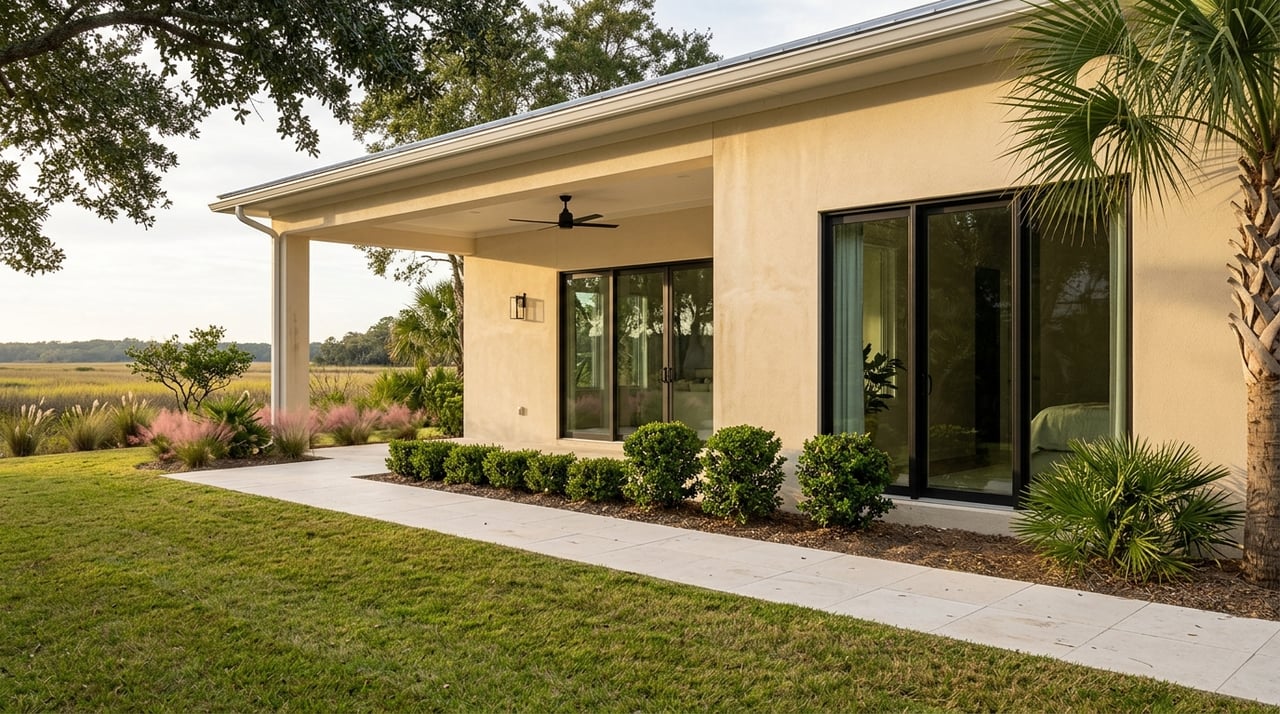
Marshfront living in Jacksonville is usually less about open-water drama and more about protected views, tidal edges, and a stronger connection to the natural environment. Along the Intracoastal area, Jacksonville’s water landscape includes marshes, canals, and channels.
This setting often feels calmer and more private than a large open river or beach corridor. Buyers drawn to wildlife, paddling, and peaceful scenery often find marshfront especially appealing.
What the lifestyle feels like
Jacksonville’s own descriptions of marsh and Intracoastal areas highlight brackish water, fish habitat, bird observation, and paddling. In other words, marshfront is often just as much an environmental lifestyle choice as a boating choice.
If your ideal morning looks more like launching a kayak than running offshore in a larger boat, marshfront may match your routine better. It can offer a softer, more natural waterfront experience.
What matters most on these properties
The research does not point to one defining architectural style for marshfront homes. Instead, buyers often need to focus first on site conditions such as elevation, privacy, view corridors, and resilience.
That is especially important because Jacksonville’s floodplain definitions distinguish between AE, A, AO, and VE zones. VE zones also include coastal storm-wave hazards and stricter construction expectations, so location details matter as much as the home itself.
Canal-access homes can balance access and practicality
What canal-access usually means
In Jacksonville, canal-access generally refers to homes on smaller waterways that connect to larger systems. It is not a formal planning category, but it is a practical one for buyers comparing boating convenience and price points.
The city’s public access network shows how extensive Jacksonville’s smaller-water system can be, with launch points tied to creeks, interior waterways, and preserve areas. That broad network helps explain why canal-access homes attract buyers who want water access without needing direct frontage on a major river or the ocean.
Best fit for smaller craft
Canal-access homes often make the most sense for kayaks, paddleboards, jet skis, skiffs, and smaller runabouts. Research on local launch areas, including marsh-oriented access points, supports that smaller-craft emphasis.
That does not mean canal-access is automatically less desirable. It simply means your actual water use should guide your decision. If you own a larger boat or want the fastest route to big water, you will want to verify navigation conditions carefully.
Why some buyers prefer it
Canal-access can appeal to buyers who want a practical middle ground. You may get a more sheltered setting, easier day-to-day paddling, and access to connected waterways, while avoiding some of the exposure that comes with broader open water.
For many Jacksonville buyers, this category works best when the question is not “Do I want waterfront?” but “How do I realistically plan to use it?”
Near-ocean homes offer beach-town energy
What near-ocean means locally
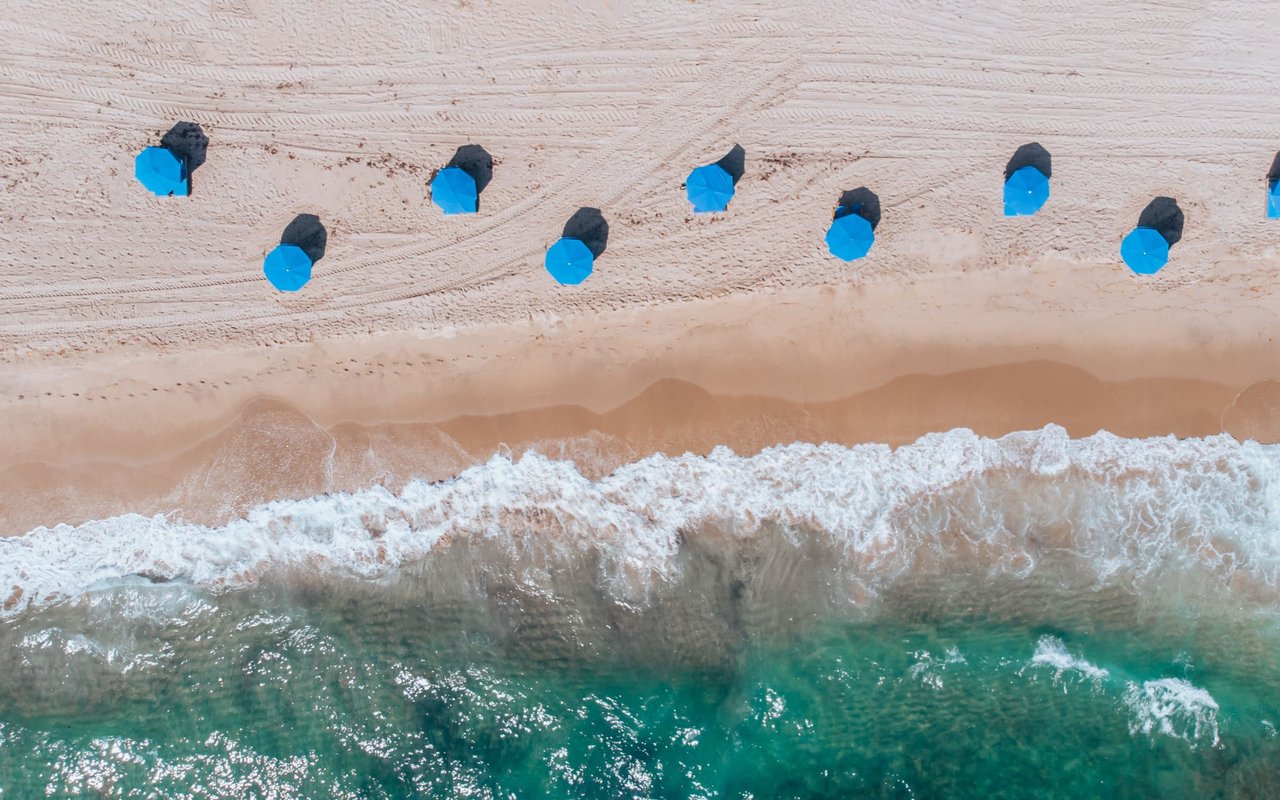
Near-ocean living in Jacksonville usually points to Jacksonville Beach, Neptune Beach, Atlantic Beach, and Mayport. Visit Jacksonville describes this area as 22 miles of white-sand beaches with surfing, boating, fishing, dining, nightlife, and public shoreline access.
This is the setting many people picture when they think of a coastal lifestyle. It tends to feel more active, more visitor-friendly, and more tied to beach culture than riverfront or marshfront areas.
What buyers often love most
Near-ocean communities usually offer the most resort-like day-to-day experience. Depending on the specific area, you may be close to surf, beach walks, restaurants, local shops, and a lively public atmosphere.
The feel can vary from one beach community to another. Research notes Jacksonville Beach as family-friendly with nightlife, Neptune Beach as more relaxed with local dining and shopping, and Atlantic Beach as a long-standing vacation destination.
Boating and ocean access considerations
If your priority is quick access to the Atlantic, the Beaches area can be especially appealing. The City of Jacksonville notes that the Mayport ramp is the closest ramp to the ocean and provides access to both the Lower St. Johns River and the Atlantic Ocean.
That same source also notes strong currents and heavy use there. So while near-ocean living can be a great fit for serious boaters, it also calls for closer attention to conditions, access points, and your comfort level on busier water.
Flood zones should shape your decision
No matter which type of waterfront home you prefer, flood-zone review should be part of your early due diligence. Jacksonville states that even properties outside the Special Flood Hazard Area can still flood because of drainage issues not shown on the map.
The city’s floodplain definitions also explain that AE, A, and AO zones require mandatory flood insurance and elevation certificates. VE zones add coastal storm-wave hazards and stricter construction expectations, which can be especially important in more exposed coastal settings.
Permits and property changes matter more on the water
Waterfront ownership often comes with more regulatory homework than inland ownership. Florida DEP says it handles permits and authorizations for docks, marinas, wetlands, boat ramps, and shoreline stabilization, and some single-family dock projects may qualify for self-certification.
The City of Jacksonville also advises property owners to check with Building Inspection before building, altering, re-grading, or filling on a property. If you are buying with plans to add or change waterfront features, it is smart to understand that process early.
Historic areas can limit remodeling flexibility
If you love older riverfront neighborhoods, character may come with added rules. Riverside/Avondale has local historic-district status and design guidelines, Old Ortega is listed on the National Register of Historic Places, and San Marco is recognized for its historic and architectural significance.
For many buyers, that preserved look is part of the appeal. Still, if you expect to make major exterior changes, you will want to weigh charm against flexibility before moving forward.
How to choose the right Jacksonville waterfront home
The best choice usually comes down to how you want to live, not just what kind of water you want to see from your back porch. A clear side-by-side comparison can help.
| Waterfront type | Best fit for | Key appeal | Main watchouts |
|---|---|---|---|
| Riverfront | Buyers who want iconic views, historic character, and broad boating access | Established neighborhoods, architecture, skyline or river views | Dock conditions, currents, historic-district rules |
| Marshfront | Buyers who want quiet, nature, and smaller-water recreation | Privacy, wildlife, tidal scenery, paddling | Flood-zone details, site elevation, water exposure |
| Canal-access | Buyers who want connected water access with practical day-to-day use | Smaller-water convenience, sheltered feel, flexible lifestyle | Navigability, bridge clearance, boat size limits |
| Near-ocean | Buyers who want beach-town living and faster Atlantic access | Surf, sand, coastal lifestyle, boating access | Strong currents, heavier use, coastal construction and insurance factors |
A few questions can also make your decision easier:
- Which water body do you actually want to use most often?
- What kind of boat, if any, do you realistically plan to keep or launch?
- How much maintenance, insurance complexity, and permitting work are you comfortable with?
- Do you want historic character, natural marsh views, or a beach-town setting?
When you answer those questions honestly, the right property type often becomes much clearer.
Jacksonville waterfront living can be incredible, but the best match is not always the one with the biggest view. It is the one that fits your habits, your goals, and the kind of Northeast Florida lifestyle you want to enjoy for years to come.
If you are comparing riverfront, marshfront, canal-access, or near-ocean homes in Jacksonville, working with a local guide can help you sort through the details with confidence. For personalized help finding the right fit, connect with Donna S Osteen.
FAQs
What is the difference between riverfront and marshfront homes in Jacksonville?
- Riverfront homes in Jacksonville usually offer broader water views, stronger ties to the St. Johns River, and often more historic neighborhood character, while marshfront homes usually offer quieter tidal scenery, wildlife, and a more natural setting.
Are canal-access homes in Jacksonville good for boating?
- Canal-access homes can work well for kayaks, paddleboards, jet skis, skiffs, and smaller runabouts, but you should verify navigability, depth, and any bridge constraints based on how you plan to use the water.
Which Jacksonville areas are known for near-ocean living?
- Near-ocean living in Jacksonville generally refers to Jacksonville Beach, Neptune Beach, Atlantic Beach, and Mayport, each with its own mix of beach access, boating, dining, and public activity.
Why do flood zones matter when buying a waterfront home in Jacksonville?
- Jacksonville flood zones affect insurance requirements, elevation documentation, and construction expectations, and the city notes that even homes outside the Special Flood Hazard Area can still experience flooding from drainage issues.
Do historic riverfront neighborhoods in Jacksonville have remodeling rules?
- Yes, some older riverfront and near-river areas, including Riverside/Avondale, can have historic-district guidelines that affect exterior changes, so it is important to review those rules before buying.
How do you choose the right type of waterfront home in Jacksonville?
- The best way to choose is to compare your preferred water activity, boating needs, comfort with flood and maintenance complexity, and whether you want a historic, natural, or beach-oriented lifestyle.