Dreaming about waking up to water views in Jacksonville? The first thing to know is that waterfront living here is not just one lifestyle. Depending on where you land, your daily routine could center on riverwalk strolls, kayak launches, marsh sunsets, or quick beach access. If you are thinking about buying near the water, understanding those differences can help you choose a setting that fits the way you actually want to live. Let’s dive in.
Jacksonville Waterfront Living Starts With the Shoreline
Jacksonville’s waterfront lifestyle stretches across several very different environments. According to the City of Jacksonville’s overview of the St. Johns River, living on the water here can feel urban, residential, nature-focused, or beach-centered depending on the shoreline.
That matters because the experience changes in real ways from one area to the next. Current, tides, public access, flood risk, and even the feel of the neighborhood can vary quite a bit between the river, the Intracoastal, the marshes, and the oceanfront.
St. Johns River Living
The St. Johns River offers one of the most recognizable waterfront experiences in Jacksonville. It is Florida’s longest river and an important recreational and commercial waterway, which gives riverfront living a mix of scenic beauty and active water traffic.
In and around Jacksonville, riverfront areas can range from downtown’s public promenades to more residential sections with views, parks, and in some locations private frontage or launch access. The city notes that areas such as San Marco, Mandarin, and Ortega are part of that broader riverfront lifestyle, while places like Walter Jones Historical Park show how river access and green space often come together.
Intracoastal and Marshfront Living
On Jacksonville’s east side, the waterfront often feels quieter and more connected to nature. Salt marsh, tidal patterns, and preserve space shape much of the daily atmosphere in these areas.
Places like Castaway Island Preserve and Dutton Island highlight what draws many buyers to this side of the market: boardwalks, kayak launches, marsh views, fishing spots, and regular wildlife sightings. This setting can feel less urban and more tucked into the landscape, even when you are still close to major roads and services.
Beach and Oceanfront Living
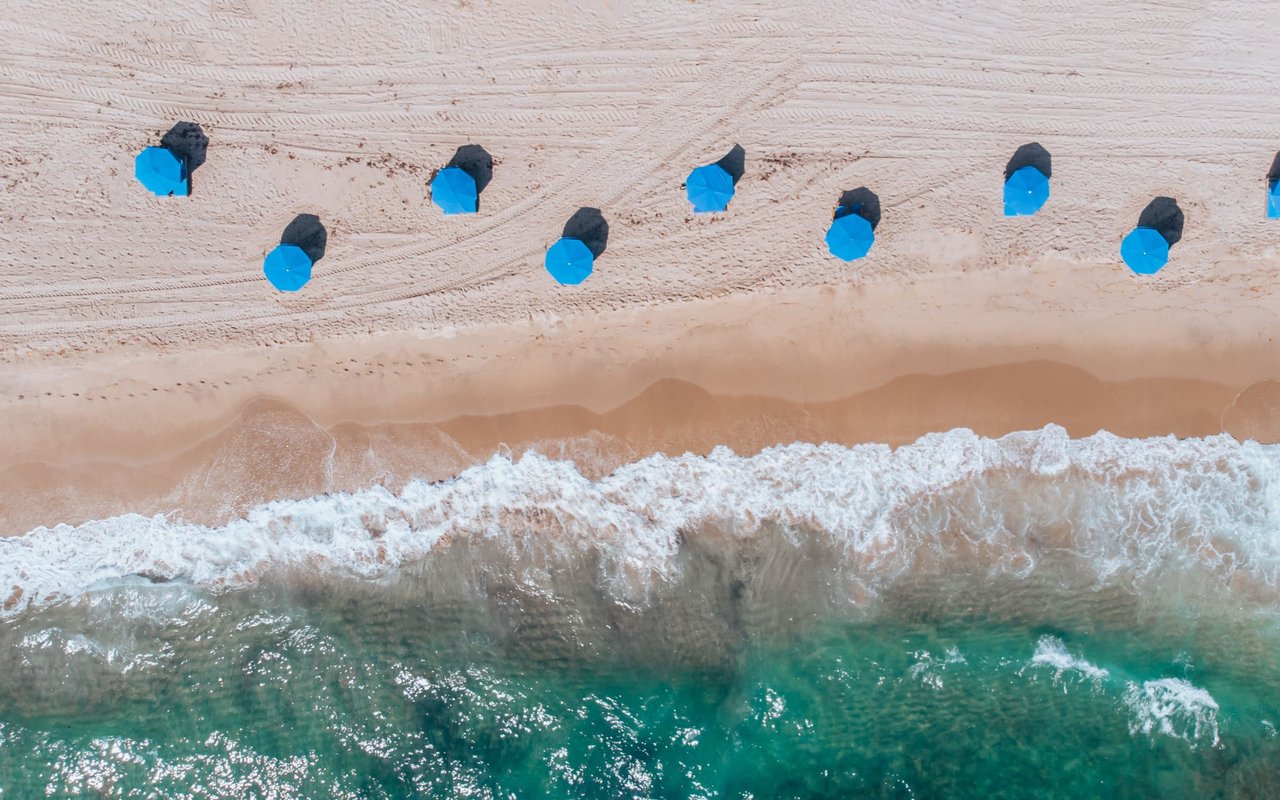
If your idea of waterfront living includes sand, surf, and a more beach-town rhythm, Jacksonville’s coastal communities offer a different version of life on the water. Jacksonville Beach is known for outdoor activity, public beach access, and a social scene built around the shoreline.
Nearby gathering spots and districts, including Beaches Town Center, Oceanfront Park, and Seawalk Pavilion, show how daily life in these areas often revolves around walkability, beach access, dining, and public events. For some buyers, that energy is the main appeal.
What Daily Life Feels Like
Living on the water in Jacksonville often means your surroundings shape your routine in simple, everyday ways. The view may be the first thing you notice, but the lifestyle usually comes from how easy it is to enjoy the water nearby.
Recreation Becomes Part of Your Week
In many waterfront settings, outdoor time is built in. You may spend a morning walking the Southbank Riverwalk, an afternoon launching a kayak, or an evening fishing from a park edge.
Across Jacksonville, places like Stockton Park, Walter Jones Historical Park, Riverfront Park, and Dutton Island show how common it is for waterfront living to include walking paths, picnic spots, launch access, and open views. If you enjoy being outside, that everyday convenience can be a big part of the value.
Breezes and Wildlife Add to the Experience
Waterfront living is not only about access. It is also about atmosphere. According to NOAA’s explanation of sea breezes, coastal areas can feel cooler on hot days because land heats faster than water.
In Jacksonville, that often translates into the breezy feel many buyers picture when they think about river, marsh, or beach homes. Add in the chance to spot shorebirds, dolphins, manatees, or other wildlife from nearby public spaces, and the setting itself becomes part of the appeal.
Food and Gathering Spaces Stay Tied to the Water
Some of Jacksonville’s most memorable local experiences happen near the shoreline. Mayport Village brings a working-waterfront feel with shrimping and seafood culture, while the beach communities add oceanfront dining, shopping, and public gathering spots.
The riverfront and beaches also host public spaces that support festivals, markets, and community events. If you want a home that connects you to both outdoor recreation and local social life, that is one reason waterfront areas stand out.
Waterfront Homes and Access Look Different Here
One of the biggest misconceptions about waterfront living is that every property offers the same kind of experience. In Jacksonville, that is rarely the case.
Home Styles Vary by Setting
Waterfront housing in Jacksonville is broad. Riverfront neighborhoods may include residential streets with historic homes and water views, while downtown waterfront living tends to be more mixed-use and apartment-oriented, according to local city and tourism sources.
In beach areas, the experience can be more walkable and amenity-driven, with homes, accommodations, shops, and restaurants all tied closely to the shoreline. That range is part of what makes Jacksonville appealing, but it also means you need to define what waterfront means to you before you start your search.
Access Is Not Always Direct
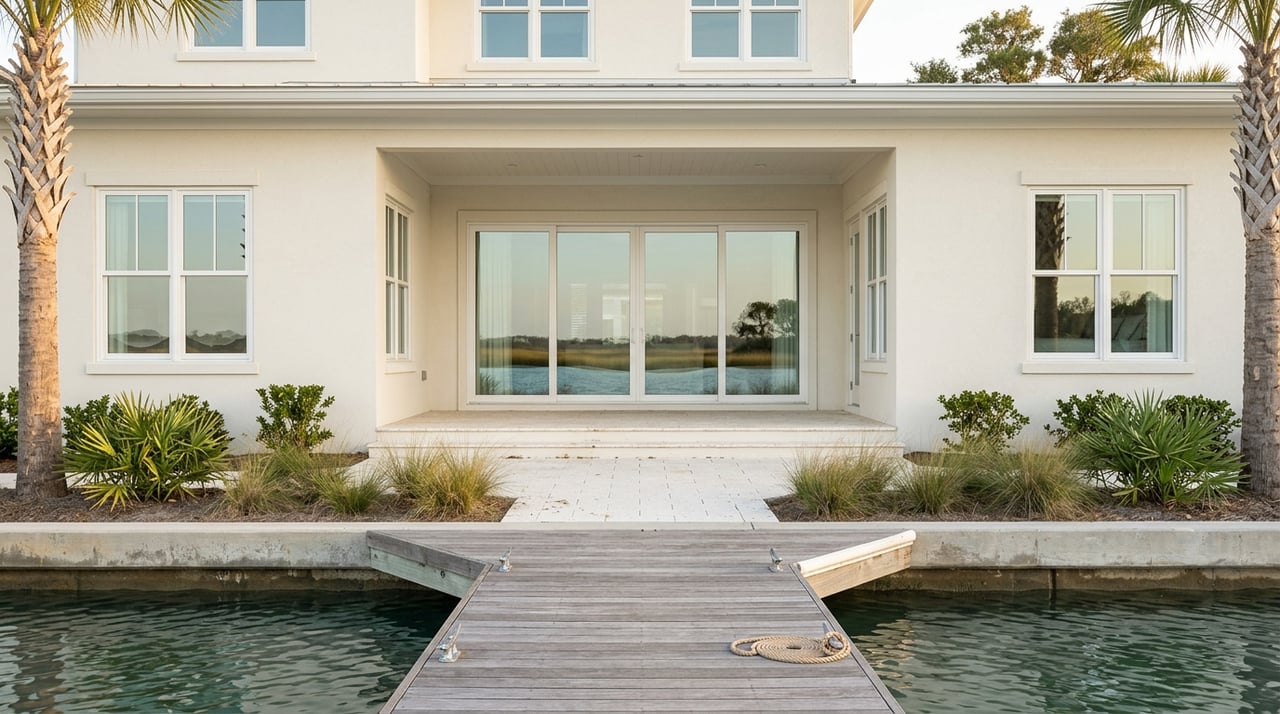
A water view and water access are not the same thing. Some homes may have private docks or frontage, while others depend on nearby parks, launches, marinas, or beach access points.
Jacksonville’s kayak launch guide makes clear that current, tides, boat traffic, shoaling, and submerged debris can affect how certain launch sites are used. In some locations, the access may be ideal for experienced paddlers, while other spots feel calmer and more beginner-friendly.
What Buyers Should Think Through First
Before you fall in love with the view, it helps to look at the practical side of waterfront ownership. In Jacksonville, those details can shape both your budget and your lifestyle.
Flood and Evacuation Planning Matter
Flood exposure is one of the most important factors to review. The City of Jacksonville floodplain management resources note that Duval County can experience coastal, inland, and river flooding, with flooding most commonly occurring from June to November.
The city also reminds residents to check evacuation zones, not just flood zones. If you are considering a waterfront home, it is smart to review both the city’s mapping tools and the official FEMA Flood Map Service Center early in the process.
Currents and Tides Can Change Usability
The prettiest shoreline is not always the easiest one to use. The Southbank Riverwalk is noted by the city as an area for experienced and strong paddlers because of current, and the broader launch guide flags current and boat traffic as recurring factors on both the St. Johns and the Intracoastal.
If boating, kayaking, or paddleboarding are a big part of your goals, it is worth matching the property to the kind of water activity you want. A calm launch nearby can support a very different routine than a more active stretch of shoreline.
Public Access Can Shape the Lifestyle
Another practical point is that much of Jacksonville’s shoreline is privately owned. That means public access is often concentrated in parks, Riverwalk segments, preserves, and designated launches instead of being continuous along the waterfront.
For buyers, that can affect how easy it is to walk the water, launch a kayak, fish, or simply enjoy a public gathering space nearby. Even if a home is close to the water, the nearest usable access point may still be an important part of your decision.
How To Choose the Right Waterfront Fit
Jacksonville waterfront life is best understood as a spectrum. On one end, you have urban riverfront living with skyline views and public promenades. In the middle, you have marsh and Intracoastal areas that lean into paddling, preserve space, and wildlife. On the other end, you have beach communities built around ocean access and a more coastal daily rhythm.
The best choice depends on what matters most to you. If you care most about boating, your priorities may be different than someone who wants a walkable beach setting or someone who mainly wants peaceful views and outdoor space.
If you are considering a move along the water, working with a local expert can help you compare not just homes, but the shoreline lifestyle that comes with them. If you want a personalized look at Jacksonville waterfront options, connect with Donna S Osteen for thoughtful guidance tailored to the way you want to live.
FAQs
What is waterfront living like in Jacksonville, Florida?
- Waterfront living in Jacksonville can feel very different depending on the setting, from urban riverfront areas along the St. Johns to marsh-focused Intracoastal locations and beach communities centered on ocean access.
What are the main types of waterfront areas in Jacksonville?
- The main waterfront settings include the St. Johns River, the Intracoastal Waterway, tidal marsh areas, and Atlantic beach communities.
What should you check before buying a waterfront home in Jacksonville?
- You should review flood zones, evacuation zones, access type, and how factors like tides, current, and boat traffic may affect the way you plan to use the water.
Does every waterfront home in Jacksonville have direct water access?
- No. Some properties have private docks or frontage, while others rely on nearby public parks, launches, marinas, Riverwalks, or beach access points.
Is Jacksonville waterfront living more about boating or views?
- It can be either one, depending on the property and location. Some buyers prioritize private or nearby launch access, while others focus more on scenery, breezes, walkability, or proximity to public waterfront spaces.
Which Jacksonville waterfront areas feel most nature-focused?
- Marshfront and Intracoastal areas such as those near preserves and tidal waterways often feel the most nature-focused because of their boardwalks, trails, launch sites, and wildlife viewing opportunities.